What is cholecystitis and how is it treated: acute and chronic
2 November 2026


2 November 2026
Cholecystitis is inflammation of the gallbladder. It sounds routine, but the word covers two very different conditions. An acute attack can land you in an operating room within hours. The chronic form nags for years with heaviness after fatty meals and a bitter taste in the mouth. They're treated differently too. Very differently.
Below we walk through the symptoms and treatment of both forms, the difference between inflammation with and without stones, the warning signs that mean going to hospital, and an honest answer on avoiding surgery. Plus the eating habits that actually help.
The gallbladder is a small pouch under the liver. It stores the bile your liver makes and squeezes it into the bowel when you eat, especially fatty food. Inflammation starts when bile can't leave the gallbladder properly. It pools, irritates the wall, and over time bacteria can get in.
The most common culprit is a stone. It blocks the neck of the gallbladder or its duct, the gallbladder stretches, and the wall swells. According to the MSD Manual, at least 90% of people with acute cholecystitis have gallstones. Far less often, inflammation develops without stones: after major surgery or injury, with sepsis, long fasting or IV feeding, or when blood supply to the gallbladder wall is poor.
The risk factors are the same as for gallstones: being female, pregnancy, extra weight, rapid weight loss, diabetes, age over 40 and family history. We'll cover gallstone disease in a separate article. The key point here: stones alone aren't cholecystitis, but they're what usually sets it off.
Doctors classify cholecystitis in two ways: how fast the inflammation develops and whether there are stones. "Calculous" means with stones (from the Latin calculus, a pebble). "Acalculous" means without them.
| Type | What it looks like | What usually happens |
|---|---|---|
| Acute calculous | Sharp pain under the right ribs for more than 6 hours, fever, vomiting | Hospital, antibiotics, IV fluids, surgery |
| Acute acalculous | Same, but more often in very sick people after surgery, injury or with sepsis | Hospital treatment, sometimes gallbladder drainage |
| Chronic calculous | Repeated bouts of pain, heaviness after fatty meals, nausea | Planned keyhole surgery |
| Chronic acalculous | Dull pain and discomfort on the right, poor bile flow | Diet, medicines prescribed by a doctor, follow-up |
Acute calculous cholecystitis is the type surgeons see most. According to MSD, the acalculous form accounts for only 5-10% of operations for acute inflammation. Chronic cholecystitis usually develops after repeated attacks: the gallbladder wall thickens and scars, and it doesn't squeeze as well.
Doctors are careful with a diagnosis of chronic inflammation without stones. They first need to rule out tiny stones that a standard ultrasound can miss, bile duct dyskinesia and problems with the stomach or pancreas.
It typically starts with pain under the right ribs or just below the breastbone, often after a large fatty dinner. Duration sets it apart from ordinary biliary colic. Colic fades within a few hours. With acute inflammation, the pain lasts more than 6 hours and keeps building. It may spread to the right shoulder or under the right shoulder blade, says the NHS.
| Biliary colic | Acute cholecystitis | |
|---|---|---|
| How long the pain lasts | 30 minutes to a few hours, then it passes | More than 6 hours, getting worse |
| Fever | No | Often |
| Tenderness under the right ribs | None between attacks | Constant, worse on breathing in |
| Blood test | Usually normal | High white cell count |
| What to do | See a doctor, get an ultrasound | Ambulance, hospital |
With stones, the acute symptoms are practically the same. They're often preceded by past episodes of biliary colic. If you've had attacks like that before, the risk of another is high.
Call an ambulance if the pain doesn't ease after a few hours, or if you develop a high fever with chills, yellow skin or eyes, dark urine, or a hard belly that hurts to touch. These can be complications: pus in the gallbladder, a burst gallbladder wall or a blocked bile duct. The NHS calls acute cholecystitis potentially serious and says it's usually treated in hospital. Until a doctor sees you, don't put heat on your belly and don't take painkillers just to push through.
The signs are the same as in men. But women get cholecystitis more often, because estrogen makes them more prone to gallstones. The risk goes up during pregnancy, after several births, with hormonal contraception and during rapid weight loss. In pregnancy the pain may sit higher and is easy to confuse with other problems. Any severe right-sided pain during pregnancy means a same-day checkup.
The signs are milder but drag on for years. People get used to them and blame "something I ate". Most often it is a dull or aching pain and heaviness under the right ribs after fatty, fried or spicy food. A bitter taste in the mouth, belching, nausea, bloating and irregular stools often come with it. Flare-ups happen too. The pain then turns sharp and feels like an acute attack.
According to MedlinePlus, chronic inflammation most often follows repeated acute attacks, and stones are its main cause. The danger isn't so much the discomfort. It's that any flare-up can turn into an acute attack with complications.
Ultrasound is the main test. It shows stones, the thickness and texture of the gallbladder wall, fluid around it and widened ducts. Ultrasound is less reliable for stones inside the ducts, and other tests help there.
The workup usually starts with an abdominal ultrasound, which checks for stones, wall thickening, swelling and gallbladder size. Blood tests come next. In a complete blood count, a high white cell count points to inflammation, and blood chemistry covers bilirubin, ALT, AST, GGT, alkaline phosphatase and amylase or lipase to rule out pancreatitis. If stones in the ducts or complications are suspected, MR cholangiography or CT is ordered. Gastroscopy is needed when the symptoms look like gastritis or an ulcer.
Other organs can cause pain under the right ribs too: the liver, kidney, duodenum and pancreas. That's why the diagnosis is based on a combination of complaints, exam, blood tests and ultrasound, never on one symptom.
Acute cholecystitis is treated in hospital. You won't eat for the first days, and you'll get IV fluids, pain relief and antibiotics. Once you're stable, the team decides on surgery. The modern approach is early cholecystectomy, removing the gallbladder, whenever possible.
Most often it's done laparoscopically, through 3-4 small cuts of 0.5-1 cm, with no large incision. The sooner you come in after the attack starts, the better the chances of keyhole surgery and an easier recovery. If you're too unwell to operate on right away, the gallbladder is drained through a needle under ultrasound guidance, and surgery is planned for later.
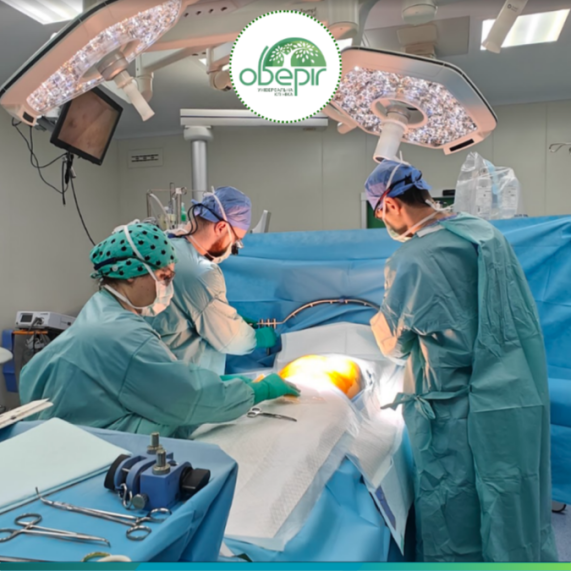
Oberig clinic has an OR1 "smart" operating room from KARL STORZ, a global maker of laparoscopic equipment. Our surgeons perform the full range of minimally invasive abdominal operations here. We explained why laparoscopy became the gold standard for gallstone cholecystitis, and which myths surround it, in our article on laparoscopic cholecystectomy.
It depends on stones. If you have them, pills won't reliably dissolve them, and the inflammation will keep coming back. The best result comes from planned keyhole surgery. It removes the source of attacks for good, and you can live a full life without a gallbladder.
Without stones, it's different. Treatment is mostly conservative: eating habits, medicines prescribed by a doctor and follow-up ultrasounds. Surgery is considered only if symptoms are severe and persist despite treatment.
What if your symptoms are mild and you're not ready for surgery, or you can't have it? Your doctor will adjust your diet and prescribe medicines to ease the symptoms. They'll also tell you which signs mean you need help immediately. But keep in mind: this is control, not a cure.
Only a doctor decides on medication, after tests. Antispasmodics may be prescribed to relieve spasm and pain. Antibiotics are used for a flare-up with signs of bacterial infection. In some cases special medicines prescribed by a doctor help dissolve small cholesterol stones, but this takes months. Sometimes the doctor adds digestive enzymes.
Self-treatment is risky here. Painkillers can mask an acute attack, and you may miss the moment surgery is needed. Bile-stimulating remedies and herbs can push a stone into the duct and cause jaundice or pancreatitis.
Acute cholecystitis isn't treated at home. A heating pad, herbs or a "liver flush" won't stop it, and with stones they can do harm. Severe pain lasting more than a few hours, fever or yellowing skin means calling an ambulance, not trying home remedies.
At home, you can only support yourself with the chronic form, once a doctor has checked you. Eat regularly, in small portions, and don't overeat at night. Go easy on fatty and fried food. Lose weight gradually, without fasting. Take only the medicines your doctor prescribed. And don't put off planned surgery if it's been recommended. Flare-ups happen more often in people who keep delaying the decision.
Food won't cure the inflammation, but it can cut down on attacks. The basics:
You don't need to cut out fat completely. A little oil helps the gallbladder empty regularly. Strict diets and fasting do harm, because bile stagnates, and rapid weight loss even raises the risk of stones.
Yes. Your liver keeps making bile. Nothing changes there. It just flows straight into the bowel. A gentle diet is recommended for the first weeks after surgery, then most people eat as usual.
An acute attack sometimes settles, but the stones stay, and the inflammation returns. So even after it calms down, you need tests and a treatment plan.
Colic is a spasm caused by a stone, and the pain passes within a few hours without fever. With cholecystitis, the pain lasts longer, and fever and tenderness under the right ribs appear.
Yes, but less often than adults. A child with right-sided pain and a fever should see a pediatrician or pediatric surgeon.
For chronic symptoms, a gastroenterologist or general practitioner. For stones and repeated attacks, a surgeon. For acute pain, go straight to the emergency department.
Yes, if it's needed. The surgeon and obstetrician decide together, weighing the risks for mother and baby.
Come in for a consultation if you regularly get pain under your right ribs after eating, an ultrasound found stones or you've already had attacks. At Oberig clinic, we perform ultrasound on an expert-class ACUSON Sequoia (Siemens) scanner and give you the report right away. A surgeon will assess the risks, tell you if you need surgery and, if so, perform a laparoscopic cholecystectomy in our OR1 KARL STORZ operating room.
Book by phone at +38 044 521 30 03 or online.